


Summary
- The EPA is moving forward with its 2027 NOx standards, pushing stricter emissions reductions while exploring ways to lower compliance costs.
- The rule requires a dramatic cut in emissions, which means major redesigns to the engine and aftertreatment systems, longer warranties, and increasingly complex system integrations.
- Industry concerns around higher costs and reliability are growing, which may lead many fleets and owner-operators to consider buying pre-2027 trucks.
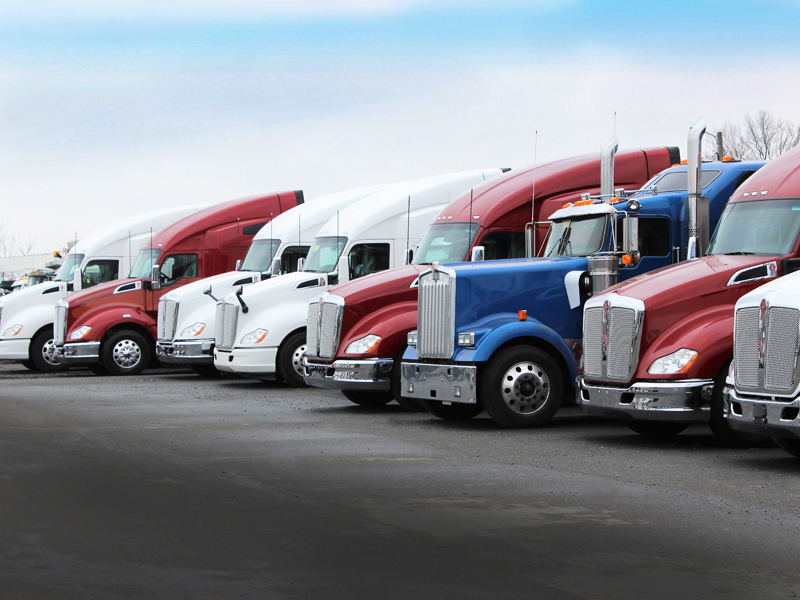
The U.S. Environmental Protection Agency is moving forward with its Heavy-Duty Engine and Vehicle Standards, more commonly known as EPA 2027. The agency explained they are keeping their original timeline and strictness, even as they prepare a new spring 2026 proposal to help reduce industry compliance costs.
Understanding the Emissions Standards
Published in December 2022, the EPA finalized its strongest nitrogen-oxide (NOx) emission standards for heavy-duty trucks beginning with model year 2027. The agency’s goal is designed to reduce air pollution and climate-related emissions across the transportation sector.
The rule requires NOx emissions for heavy-duty engines and vehicles to drop to 0.035 grams per horsepower-hour during normal vehicle operation. This is an 82.5% reduction from today’s standard of 2 milligrams. This also includes 0.05 grams at low load and 10 grams at idle. Additionally, the rule increases the “defined useful life of regulated vehicles by 1.5 to 2.5 times from 435,000 miles out to 650,000 miles.” (Source)
In 2023, we reported on the agency’s mission. “According to the EPA’s Regulatory Update, “Taken together, these new multi-pollutant standards will improve public health in our communities and set the U.S. on a course to achieve ambitious levels of GHG emissions reductions from commercial highway transportation over the long term.”” (Source)
Costly Technology and Pricing Concerns
The new emissions standards will significantly change how manufacturers design diesel engines. To meet the newfound requirements, truck and engine manufacturers must account for more advanced, updated emissions-control technologies and systems. “Most OEMs are expected to introduce redesigned engines with very little carryover from previous models. This includes updated aftertreatment systems, enhanced thermal management and new sensors.” (Source)
As a result of these more complex systems, the industry is widely expecting higher equipment costs. According to CDK Global, “Trucking industry experts peg the number in the $20,000 to $25,000 range; the EPA suggests the increase could be much lower.” (Source)
Plus, the regulation also requires manufacturers to provide a longer emission system warranty period. This is to make sure vehicles remain compliant with the EPA’s emissions standards as they age. Industry experts project that these changes will significantly impact manufacturers. OEMs will need to build an engine platform with more highly-developed system integrations and durability improvements.
Industry Concerns
Transport Topics reported, “The underlying 2027 implementation timeline raises serious concerns for America’s truckers, as the rule is likely to drive up equipment prices.” (Source)
The Owner-Operator Independent Drivers Association called out the new rules that led to higher prices for new equipment. The group maintains their stance that electric commercial vehicles are too expensive for small carriers and will endure other key challenges regarding upfront costs, reliability, and limited charging infrastructure.
If past industry trends repeat themselves, this is sure to drive a higher pre-buy before these new models hit the road. Fleets may delay their typical new model year purchases to avoid significantly higher vehicle prices.
Aftermarket News reported on 2026 ACT Research, “With onerous EPA ’27 cost increases on the horizon, an aging fleet, and growing confidence that the winter run-up in freight rates will remain sticky, Class 8 order strength continued in February. February’s intake represents the eighth best order month in the 530 months ACT Research has been collecting data.” (Source)
Looking Forward: 2027 Regulations
EPA 2027 isn’t the end of their emissions regulations. When the industry has complied with the upcoming NOx mandates, a new set of greenhouse gas (GHG) reduction mandates will follow — also known as Phase 3. These multi-pollutant emissions standards will affect light- and medium-duty vehicles model years 2027 and beyond.
As of March 2026, the EPA plans to enforce its trucking emissions rules in upcoming model years. While these regulations are finalized, ongoing legal challenges and potential revisions could influence how they are implemented.
The EPA plans to officially publish the rule sometime this spring and invite the public to provide their comments.
Check back for updates as more information becomes available.
Get the Latest Trucking News, Tips & More
"*" indicates required fields