


Choosing the right refuse truck is important for maximizing efficiency, reducing downtime, and improving driver productivity. Fleets in the industry today are prioritizing maneuverability, durability, and powertrain flexibility more than ever, especially for urban and high stop-and-go routes.
In this guide, we’ll break down the best refuse trucks for 2026, key specs to compare, and how to choose the right model for your operation.
What to Look for in a Refuse Truck
Before comparing models, it’s important to understand what actually matters in refuse applications.
1. Maneuverability
Refuse routes often involve:
- Tight city streets
- Frequent stops
- Limited turning space
Low-cab forward (LCF) trucks are especially valuable here.
2. Engine & Powertrain Options
Modern refuse fleets need flexibility:
- Diesel for proven reliability
- Natural Gas for lower emissions
- Electric for urban compliance and sustainability
3. Visibility & Safety
Driver visibility is critical for:
- Urban routes
- Pedestrian-heavy areas
- Backing and tight maneuvers
4. Upfit Compatibility
A good refuse truck should support:
- Front loaders
- Rear loaders
- Automated side loaders
Top Refuse Trucks for 2026
1. Kenworth L770
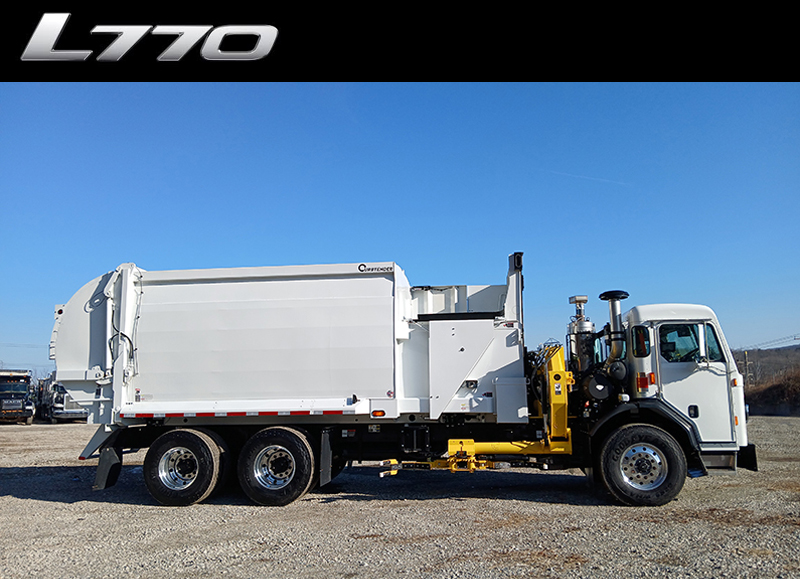
The Kenworth L770 is one of the most purpose-built refuse trucks available today, designed specifically for urban vocational applications.
Key Specs:
- PACCAR MX-11: up to 445 HP / 1,700 lb-ft torque
- PACCAR PX-9: up to 380 HP
- Cummins natural gas options (X15N, ISX12N, L9N)
- Electric version available (L770E)
Why It Stands Out:
- Tight turning radius for city routes
- Low-cab forward design for superior visibility
- 90° door openings for easier entry/exit
- Pre-configured frames for faster upfit
👉 For a deeper breakdown of specs and configurations, see our full Kenworth L770 specs page.
2. Peterbilt 520
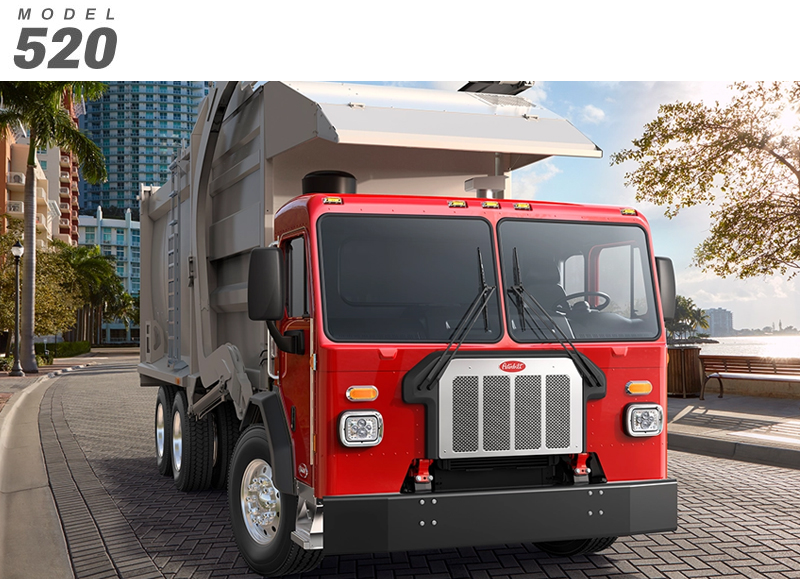
The Peterbilt 520 is another low-cab forward option commonly used in refuse fleets.
Highlights:
- PACCAR engine options
- Excellent visibility
- Wide range of refuse body compatibility
3. Mack LR Series
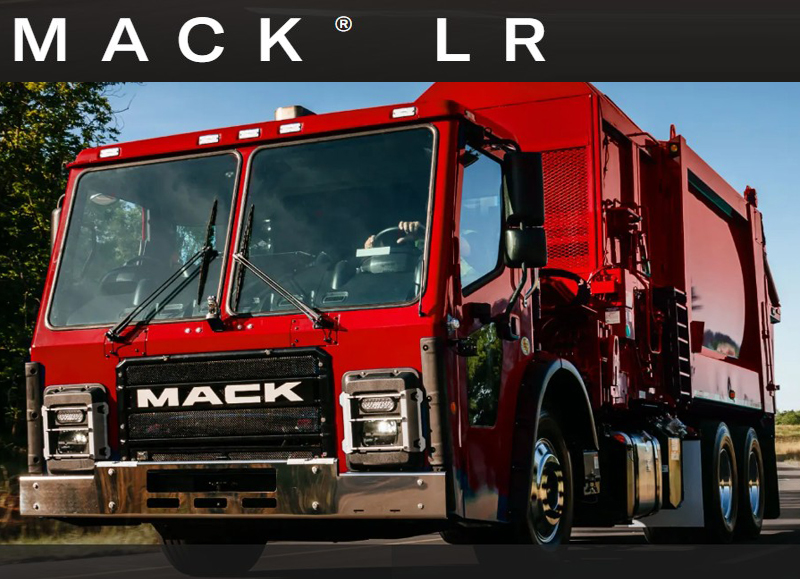
The Mack LR is a well-known refuse platform with a strong reputation for durability and driver comfort.
Highlights:
- Available in diesel and electric (LR Electric)
- Optimized for side loader applications
- Comfortable cab layout
4. Autocar ACX Series
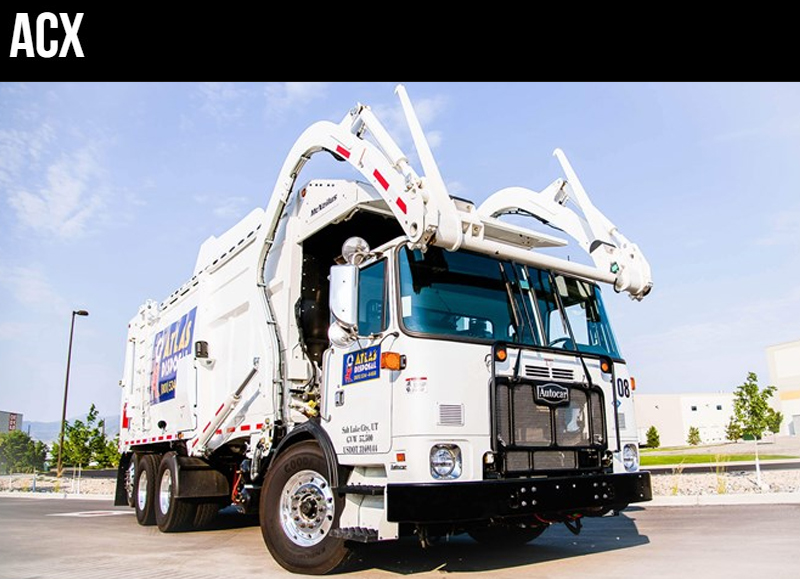
Similarly, Autocar specializes in refuse-specific trucks with a focus on rugged performance.
Highlights:
- Designed exclusively for vocational use
- Heavy-duty chassis options
- Strong uptime focus
Diesel vs. Natural Gas vs. Electric Refuse Trucks
Choosing the right powertrain is becoming more important in 2026.
Diesel
- Proven performance
- Best for long routes
- Widely supported
Natural Gas (CNG)
- Lower emissions
- Cost-effective fuel in many regions
Electric
- Zero emissions
- Ideal for urban routes
- Lower maintenance
- Range typically ~100–150 miles depending on configuration
Which Refuse Truck is Right for Your Fleet?
The best choice depends on your operation. Choose:
A Low-Cab Forward Truck (like the L770) if:
- You operate in urban environments
- Routes require tight turning and maneuverability
- Driver visibility is a priority
Electric if:
- You have short, predictable routes
- You need to meet emissions regulations
Diesel if:
- You run longer routes
- You need maximum range and flexibility
Final Thoughts
The refuse truck market in 2026 is all about efficiency, adaptability, and driver-focused design. Models like the Kenworth L770 are leading the way with versatile powertrain options and configurations tailored specifically for vocational applications.
If you’re evaluating trucks for your fleet, understanding specs, use cases, and long-term operating costs will help you make the right decision.
Ready to Learn More?
👉 Explore full specs, configurations, and applications on our Kenworth L770 page
👉 Or contact our team to discuss available inventory and pricing options
Get the Latest Trucking News, Tips & More
"*" indicates required fields