


Diesel Exhaust Fluid (DEF) is essential to keeping your truck running its best as well as staying compliant with emissions standards. But, to get the best performance from your Selective Catalytic Reduction (SCR) system plus avoid costly maintenance and downtime, you need to store, handle, and monitor your DEF correctly. Our guide covers what every truck driver should know about DEF shelf life, cleanliness, proper storage practices, and seasonal tips.
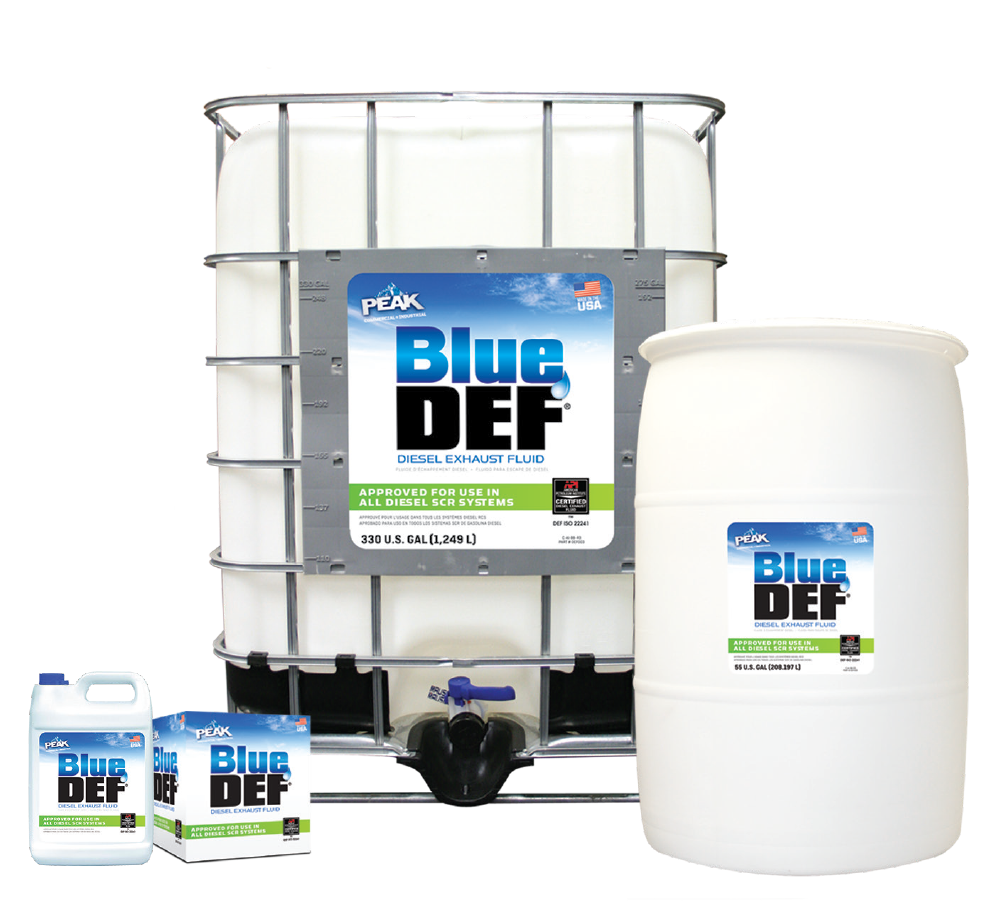
Storing DEF: Best Practices
How Long Does DEF Last?
In the most ideal conditions, DEF can last 12 to 24 months, but only when stored properly. Heat, sunlight, dirt, and other contaminants shorten its shelf life. It’s important to always check the expiration date and look for the API certification mark to confirm the DEF meets manufacturer and industry standards.
Before using DEF, check for cloudiness, discoloration, visible particles, or unusual odors. These signs indicate contaminated or expired fluid. Using bad DEF can cause corrosion or component damage. If you suspect your fluid is contaminated or expired, properly dispose of the DEF and purchase a new jug.
Proper DEF Storage Conditions
To preserve DEF integrity, store it in a cool, shaded environment. When stored properly, DEF can last up to two years. When stored at 86 degrees fahrenheit or higher, its shelf life drops to around six months. Exposed to sunlight or heat, it decreases even faster. Additionally, avoid pouring DEF in small or confined areas since the fluid releases ammonia, especially when it’s warm.
Contaminated DEF can damage your truck’s SCR system which leads to expensive repairs. Here are a few ways to keep your DEF from becoming contaminated:
- Use only dedicated DEF storage containers or tanks
- Keep containers sealed to avoid exposure to dirt, dust, or moisture
- Clean the fill area thoroughly
- Use only DEF-dedicated equipment — stay away from reusing funnels, hoses or pitchers used for other fluids
How to Monitor DEF Levels
Running low or running out of DEF isn’t just inconvenient, it can cause serious performance issues to your vehicle. It’s important to know how to monitor your DEF levels and what happens if you run out.
How Often Should You Refill DEF?
Most drivers need to add DEF about every 5,000 miles, but its consumption depends on how much you’re driving and your vehicle’s size.
What Happens If You Run Out of DEF?
If you run out of DEF, three things can happen: reduced engine power, emissions violations, and engine shutdown. Without DEF, your truck will enter “safety mode” (commonly referred to as “engine derating”) which limits its engine power, speed, and gear shifting. If you’re completely without DEF, some semi trucks will not operate at all. Plus, NOx emissions increase which could possibly incur fines or failed emissions tests.
Constantly monitor your DEF levels and refill early when possible. If you wait until the warning lights appear, it may be too late.
Seasonal DEF Tips
Before the seasons change, it’s imperative to perform a thorough DEF inspection:
- Check the DEF tank for cracks, leaks, or contamination
- Make sure your DEF heaters and insulation are properly functioning
- Handle and pour DEF in a well-ventilated area
DEF Warm Weather Maintenance Tips
High temperatures accelerate DEF breakdown and toxic fume release. During warmer months, like summer, it’s important to avoid storing DEF in hot areas or direct sunlight. If your truck will be unused for long periods of time in warm weather, consider draining the DEF then replacing it before heading back on the road.
DEF Cold Weather Maintenance Tips
DEF freezes at 12 degrees fahrenheit. When it freezes, it expands which can crack or damage the container, especially if it’s full or nearly full. Here’s an insider tip: do not add additives to prevent freezing — DEF must remain pure. Remember: frozen DEF will thaw naturally with the vehicle’s heating system and return to its proper concentration.
To slow or prevent freezing, park in a garage or sheltered area, if possible. Alternatively, when parking outdoors, try to face the DEF tank toward the morning sun for quicker thawing. Always inspect your heater, insulation, and DEF lines before winter.
DEF is Essential for Reliable Operation
From shelf life to contamination risks, DEF needs proper and careful handling. Using API-certified DEF, storing it correctly, and following best seasonal practices will keep your truck’s SCR system performing as designed and help prevent any costly breakdowns or repairs. With thorough monitoring and maintenance, DEF is one of the simplest parts of keeping your truck on the road and operating its best all year long.
Get the Latest Trucking News, Tips & More
"*" indicates required fields