

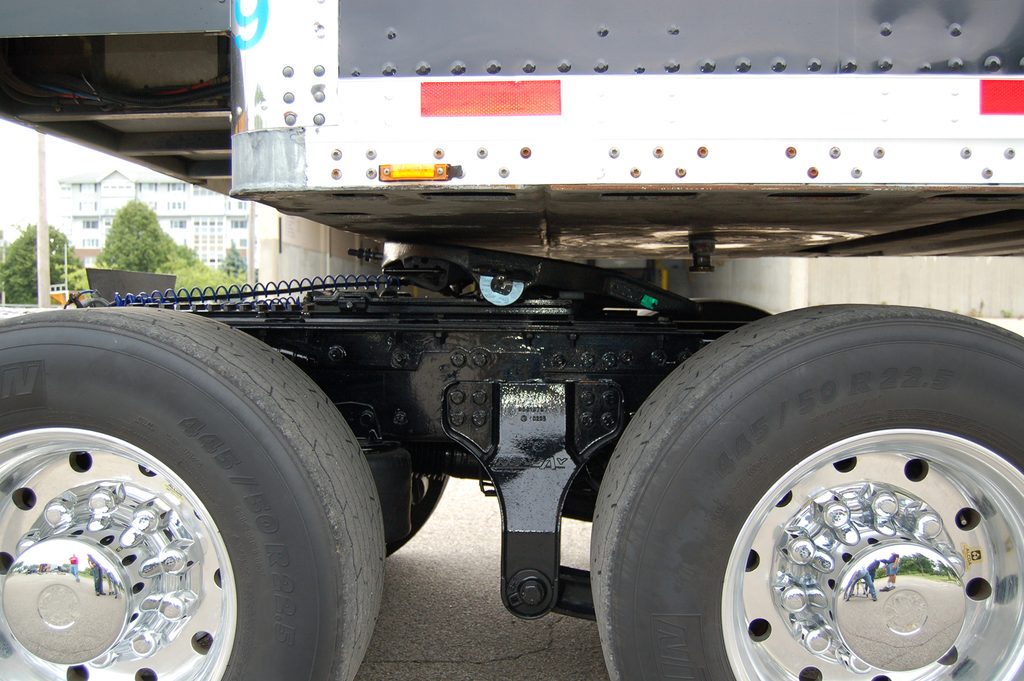
The fifth wheel on your sleeper or day cab is one of the most important components of your truck. It connects your tractor to your trailer, supports a significant portion of the trailer’s weight, and allows the two to function independently as you maneuver and make turns.
For many drivers, fifth wheel maintenance gets overlooked. Grease buildup, road debris, moisture, and fluctuating temperatures can all affect how well the locking mechanism works. Improper maintenance could result in coupling issues, binding, premature wear, or trailer disconnection — which could be deadly.
Regular cleaning and inspection can help prevent problems by keeping your truck and fifth wheel operating safely. We’ve got all you need to know about fifth wheel maintenance, including how to degrease, lubricate, inspect, and prepare your fifth wheel for the road.
Fifth Wheel Maintenance
Many fifth wheel manufacturers recommend thoroughly cleaning and inspecting the assembly at least twice a year, typically in the spring and fall. Before applying fresh grease, take these important steps to properly prepare your fifth wheel.
1. Remove Old Grease and Debris
Start by removing old grease, dirt, and debris that can interfere with the fifth wheel’s operation. Pay close attention to:
- The top plate and underside
- Grease grooves on the top plate
- The throat, locking jaws, and wedge
- Pivot points and release handle
- Slide tracks, engagement racks, and slide plungers
2. Look for Cracks and Damage
Once the old grease is cleared, closely inspect the top plate, underside, welds, and other structural components for:
- Cracks or broken welds
- Structural deformation
- Excessive wear or damage
- Loose or missing fasteners
- Rust and corrosion
If you do find any damage or excessive wear, have the fifth wheel professionally inspected, repaired or replaced according to the manufacturer’s recommendations before getting back on the road.
3. Inspect the Locking Mechanism
A properly functioning locking mechanism should move freely and engage completely. Part of your maintenance should include checking the locking jaws, wedge, release handle, and secondary locking components for restricted movement. After degreasing and inspection, cycle the mechanism to make sure it opens and closes correctly.
4. Check the Slide Mechanism
If your truck has an adjustable fifth wheel, examine the slide assembly. Remove any old grease and debris from the slide tracks, engagement rack, plungers, and plunger housings. Then, check that the plungers are properly engaging.
Why Fifth Wheel Maintenance is Important
Here are three reasons to make fifth wheel maintenance a priority.
1. Prevents Locking Mechanism Problems
Old grease and caked-on debris can interfere with the locking mechanism. Additionally, cold temperatures can make matters worse by causing grease to thicken and restrict movement. Both will make it difficult for the jaws to close or release properly.
2. Protects Against Rust and Corrosion
Road salt, de-icing chemicals, rain, and snow expose your fifth wheel to moisture, especially during winter. Appropriate surface preparation can help protect exposed metal surfaces and moving components from corrosion and premature wear.
3. Helps Maintain Safe Handling and Operation
A dry, damaged, or binding fifth wheel can stop your trailer from pivoting smoothly. More importantly, a worn or improperly functioning locking mechanism can increase the risk of tractor-trailer separation.
How Often Should You Perform Fifth Wheel Maintenance?
How often you clean your fifth wheel depends on your truck, operating conditions, as well as manufacturer recommendations. As a general rule of thumb, follow these maintenance tips.
- Before winter: Thoroughly clean, degrease, inspect, and lubricate the fifth wheel before freezing temperatures hit.
- During winter operations: Check for ice, snow, moisture, and lubricant buildup. Some recommendations call for additional lubrication approximately every 500 operating hours under winter conditions.
- In the spring: Remove built up road grime and winter debris, inspect for corrosion and damage, and apply fresh grease per manufacturer recommendations.
- During routine maintenance: Inspect the locking mechanism, release handle, fasteners, and lubrication condition.
- Before coupling: Check the fifth wheel for debris and verify that the locking mechanism is functioning correctly.
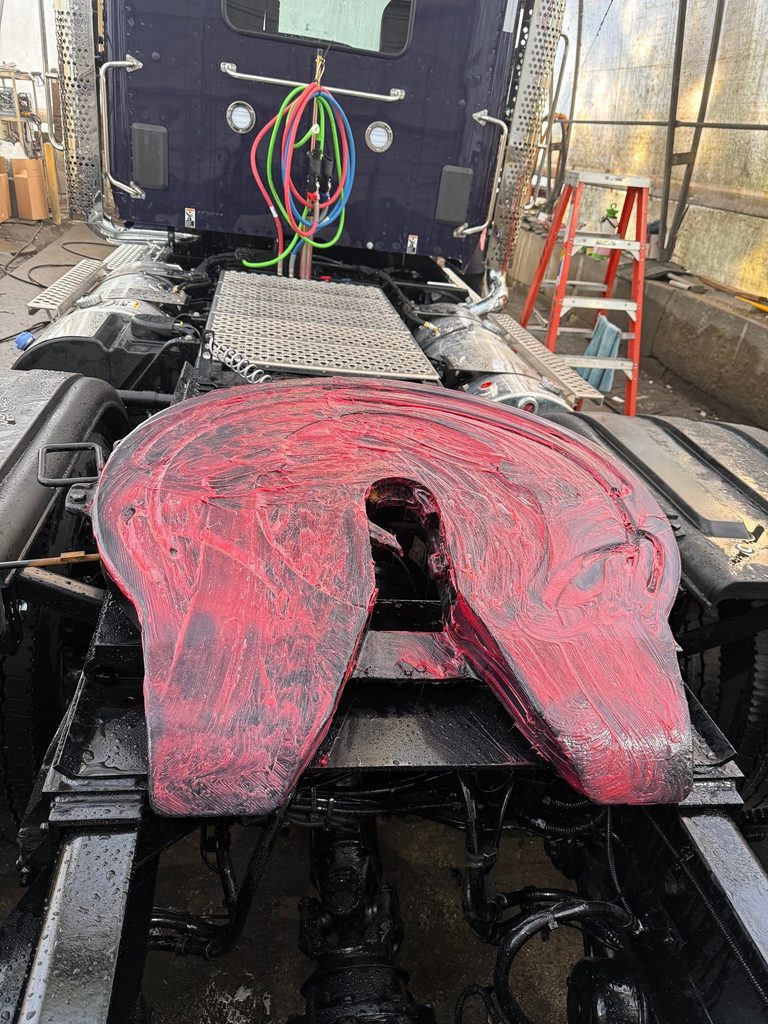
Keep in mind, these are general recommendations. Your fifth wheel manufacturer’s maintenance schedule should always be prioritized.
How to Winterize Your Fifth Wheel
Winter temperatures, snow, ice, and road chemicals can all affect your fifth wheel. One of the biggest concerns is old, heavy grease, which can thicken in cold weather, trap moisture and debris, and cause the locking mechanism to bind. If you travel in areas with freezing temperatures, a complete cleanup can help keep your fifth wheel working properly throughout the season. Here are six steps to best prepare your fifth wheel for winter.
1. Clean and Degrease the Fifth Wheel
Before temperatures drop, remove old, hardened grease from the top plate, underside, locking jaws, throat, wedge, and pivot points. Pay particular attention to grease grooves and areas where road debris collects. Next, clean the slide tracks, plungers, and other moving components. As stated earlier, this is a good opportunity to inspect for cracks, corrosion, loose fasteners, and other damage.
2. Use an Appropriate Cold-Weather Lubricant
In extremely cold conditions, traditional heavy grease can thicken and restrict the locking mechanism’s movement. Depending on the fifth wheel model and manufacturer specifications, some options may include:
- 90-weight gear oil
- Motor oil
- Approved light lithium-based or silicone sprays
- Other manufacturer-approved low-viscosity lubricants
It’s also important to note that the top plate and locking mechanism may require different lubricants. Always check your owner’s manual before applying anything.
3. Inspect Air-Release Fifth Wheels
Air-release fifth wheels need more attention, especially during winter due to moisture, ice, and grease accumulation. Check the air cylinder, cam plate, pivot points, and connecting linkage for leaks, corrosion, moisture, or restricted movement. Be sure to clean away old grease and apply the manufacturer-recommended lubricant to designated components. Before coupling, verify that the air-release system works correctly.
4. Check Manually Operated Fifth Wheels
Cold temperatures and hardened grease can also make manually operated fifth wheels difficult to release or lock. Clean and lubricate the release handle, handle pins, pivot points, and other moving components. After, cycle the handle several times to distribute the lubricant. If the handle feels stiff or you feel the locking mechanism isn’t operating correctly, don’t force it. Try to pinpoint the problem before attempting to attach the trailer.
5. Remove Snow and Ice Before Coupling
Always check your fifth wheel for snow, ice, and frozen debris before backing under a trailer. In particular, pay attention to the top plate and throat. Ice buildup can prevent the kingpin from entering properly or keep the locking jaws from engaging completely.
6. Follow a Winter Maintenance Schedule
Winter road spray, moisture, and de-icing chemicals can cause lubricants to wear away quickly. Some cold-weather recommendations suggest inspecting and reapplying lubricant approximately every 500 operating hours. However, this is a general guideline, not a universal maintenance must. It’s best practice to always follow your fifth wheel manufacturer’s recommended lubrication schedule.
Understanding the Fifth Wheel on Your Sleeper or Daycab Truck
Your fifth wheel plays a critical role in keeping your tractor and trailer safely connected. Routine surface prep, inspections, and lubrication help prevent premature wear, protect your components, and reduce the risk of coupling problems. Don’t wait for a problem to develop. Staying ahead of fifth wheel maintenance helps keep your truck road-ready through every season.
Need help maintaining your truck? Visit Coopersburg & Liberty Kenworth for parts and service support. Our team is always here to help keep your equipment ready for the miles ahead!