

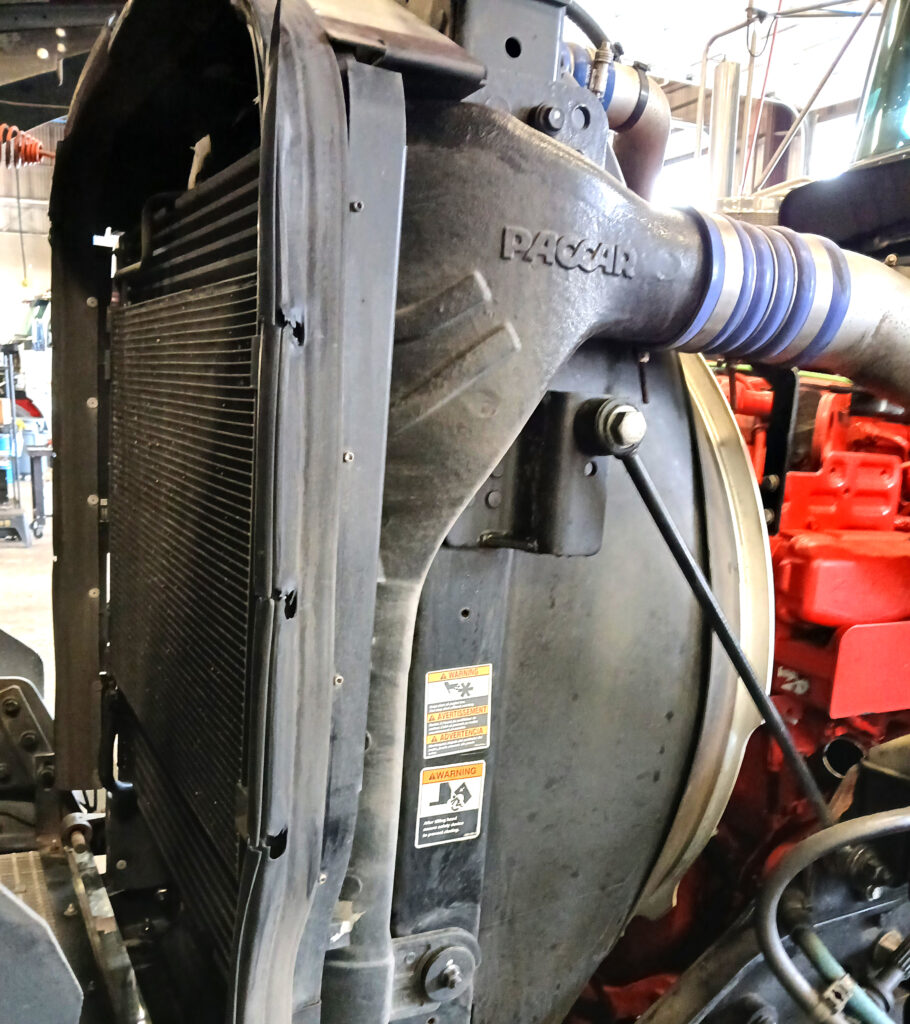
When temperatures rise, your truck’s cooling system becomes one of the hardest working components in your vehicle. When your cooling system fails, it can lead to engine overheating, vehicle breakdowns, and expensive repairs. Fortunately for you, there are several preventative maintenance steps you can take to help keep your truck running its best and coolest throughout summer.
Maintaining Your Truck’s Cooling System
Semi truck engines produce a tremendous amount of heat, especially while hauling heavy cargo, during stop-and-go traffic, and on long highway stretches. The cooling system is responsible for maintaining proper engine temperatures and protecting your vehicle’s components from overheating.
Even a minor issue can quickly turn into a major repair when temperatures hit a high. A few warning signs that your cooling system is failing are:
- Temperature gauge climbing above the normal range
- Steam or smoke coming from under the hood
- Sweet smelling odor near the engine (a sign of coolant leaks)
- Puddles under the truck after parking
- Heater blowing cold air inside the cab
A healthy truck cooling system begins with proactive maintenance. Follow these five solutions to help prevent overheating, breakdowns, and costly repairs.
Cooling System Maintenance
1. Check Coolant Levels and Condition
Coolant protects your truck’s components from overheating. During your standard pre-trip inspections, check your coolant level and make sure it is clean and free of any contaminants. Watch for:
- Low levels below the recommended mark on the reservoir or surge tank
- Rusty, cloudy, discolored, or oily coolant
- Debris
- Signs of visible leaks around hoses and fittings
If your coolant shows any of these warning signs, be sure to:
- Flush and replace coolant type according to your manufacturer’s recommended maintenance interval
- Schedule a cooling system pressure test if coolant continues to evaporate quickly
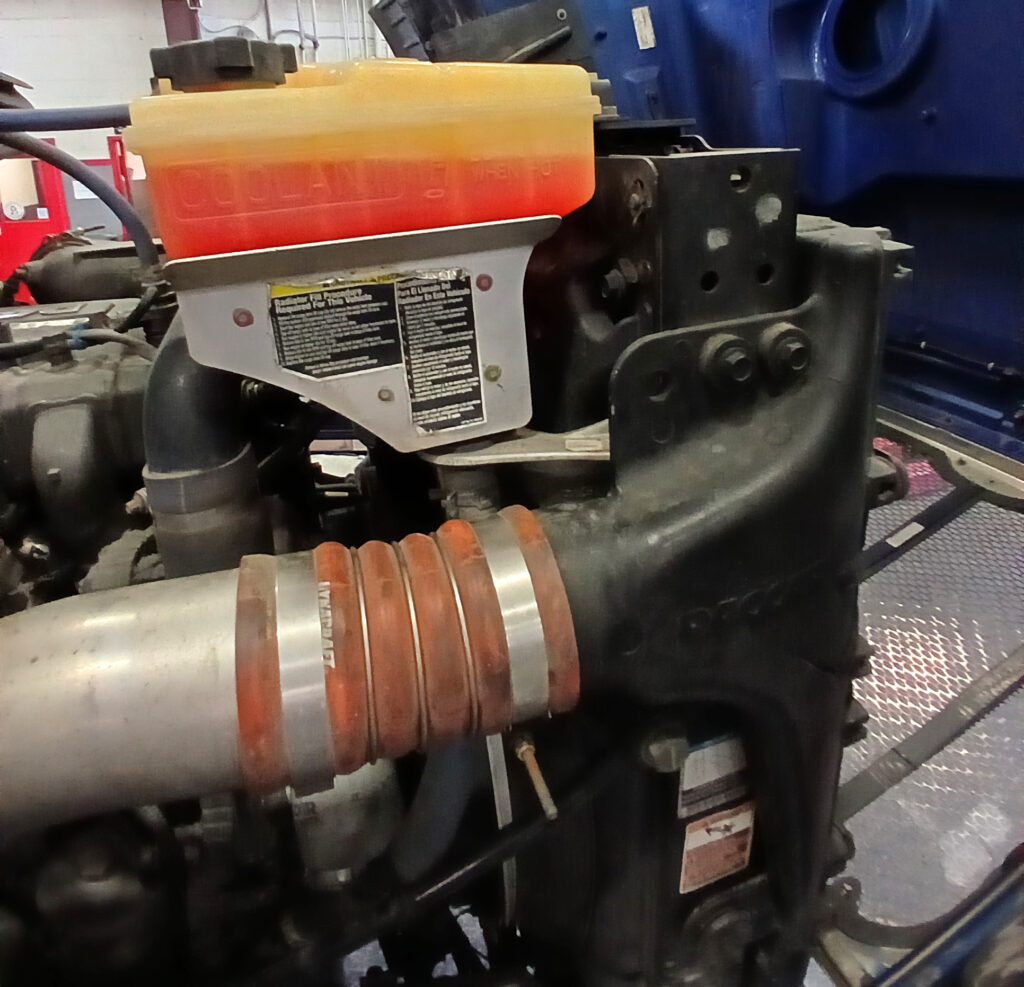
Depending on your truck and the coolant you’re using, service intervals can vary significantly. Conventional coolants often need flushing every 2-3 years, while extended life coolants may last hundreds of thousands of miles when properly maintained. It’s important to always follow your engine manufacturer’s recommended coolant type and maintenance schedule.
2. Inspect Radiator and Charge Air Cooler
Dirt, bugs, dust, and other road grime can build up on your radiator and charge air cooler surfaces which restrict airflow and reduce your truck’s cooling efficiency. Make sure to regularly:
- Remove debris from the grille and cooling package with low-pressure compressed air or water
- Clean the radiator and charge air cooler using an approved cleaning solution
- Make sure airflow is unrestricted
- Check for bent or damaged radiator fins
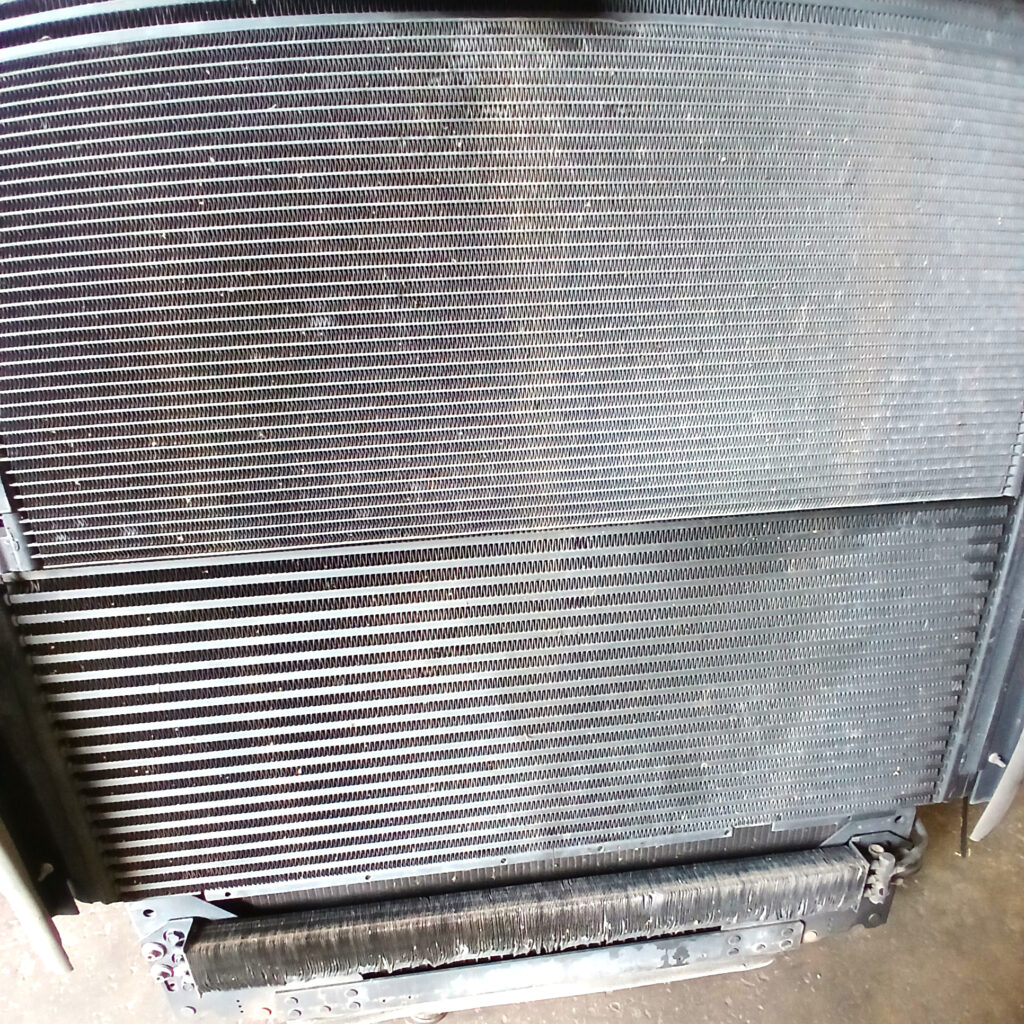
For semi trucks, radiator repairs and replacements typically range anywhere from $500 for minor repairs to over $3,500 for a full replacement. Remember: routine cleanings cost a fraction of a full repair and can prevent those expenses entirely.
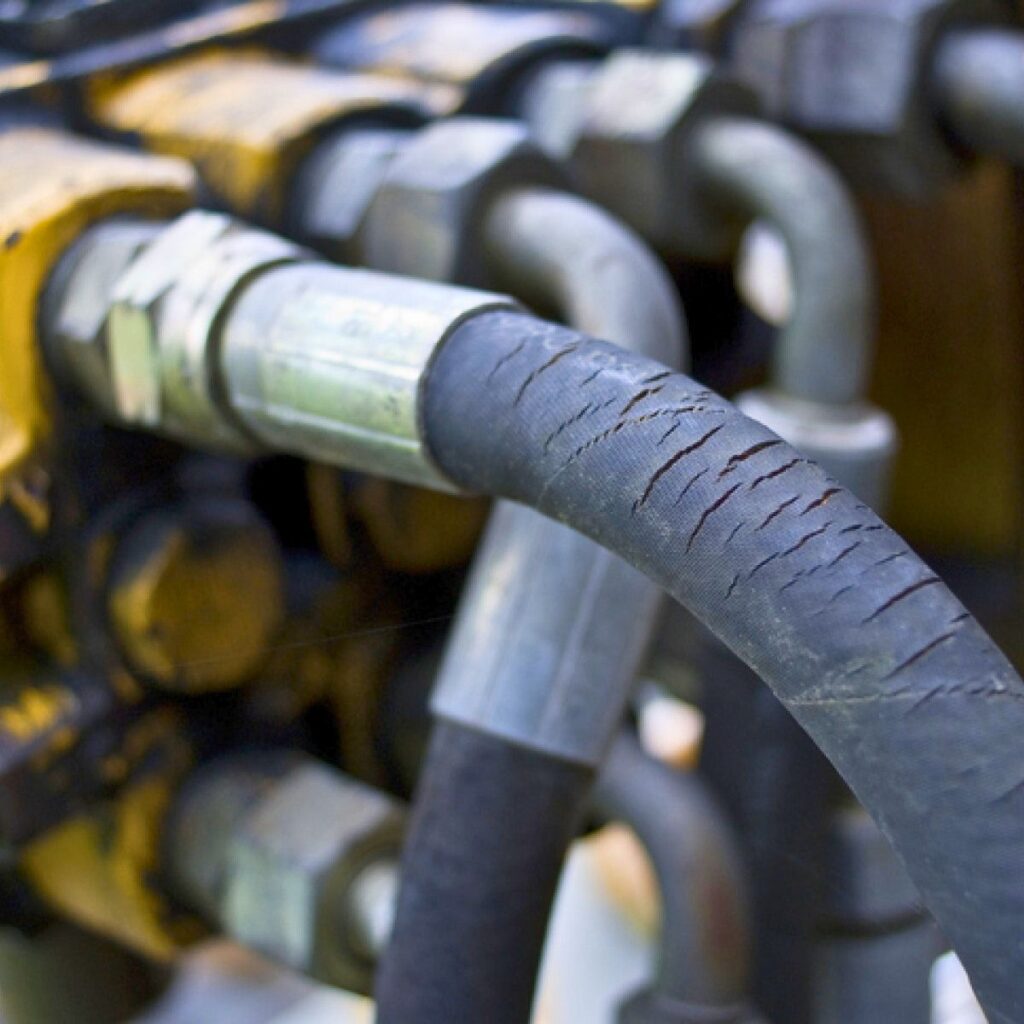
3. Examine Hoses and Clamps
Heat puts extra strain on your truck’s cooling system hoses. It’s important to inspect them for:
- Cracks
- Soft spots
- Bulges
- Leaks
If you spot any damaged hoses or loose clamps, replace them immediately and make sure all parts are properly secured. Even a small coolant leak can quickly lead to coolant loss and engine overheating.
4. Test for Water Pump and Thermostat Problems
The thermostat and water pump play major roles in regulating engine temperature. Signs of potential problems include:
- Fluctuating engine temperatures
- Frequent overheating
- Coolant leaking near the water pump
- Grinding or whining noises
- Poor cab heater performance
A faulty thermostat is a commonly overlooked cause of engine overheating. If coolant can’t circulate effectively, engine temperatures can rise quickly – and replacing a failing thermostat is far less expensive than repairing overheating damage. Regularly inspecting your thermostat and water pump helps maintain proper coolant circulation, prevent overheating, and protect your engine.
5. Monitor Engine Temperature
It’s important to pay close attention to your engine temperature gauges, especially during hot weather and heavy-duty applications. If your engine temperature begins to rise above the normal operating ranges:
- Reduce engine load, whenever possible
- Turn off the A/C if temperatures continue to increase
- Watch the temperature gauge closely
- Pull over safely before the engine overheats
- Allow the engine to cool before inspecting the cooling system
Detecting issues early will help you to prevent any extensive, costly engine damage. Plus, responding quickly to rising engine temperatures can help protect critical components like the radiator, water pump, and head gasket.
Warning Signs of a Failing Truck Cooling System
While basic maintenance can help prevent many cooling system problems, some issues require professional diagnosis and repairs. It’s time to have your truck inspected if:
- You cannot locate the source of the coolant leak
- The temperature gauge is consistently running high despite normal coolant levels
- Your truck repeatedly overheats
- You suspect thermostat, water pump, radiator, or internal engine damage
If you need cooling system maintenance and repairs, contact our Service Department. Our certified service technicians provide cooling system inspections, maintenance, and repairs to help keep your vehicle running at its peak performance.
Cooling System Fixes
Cooling system failures are one of the most common causes of summer breakdowns, but they’re also one of the most preventable. Routine inspections, coolant maintenance, and proactive repairs can help your fleet reduce downtime, avoid costly repairs, and keep your truck operating efficiently throughout the hottest months of the year. A few minutes spent inspecting your cooling system can save you countless hours and thousands of dollars down the road.
A/C not working right? Check out our A/C maintenance guide for tips on keeping your truck cool mile after mile.