


What are EPA 2027 Emissions Technologies?
2027 emissions technologies will introduce low-NOx diesel engines and advanced aftertreatment systems built to significantly reduce emissions while continuing to maintain performance and efficiency.
- New engine platforms will improve EGR systems and optimize combustion
- Aftertreatment upgrades to DEF, SCR, and DPF systems will further reduce NOx output
- Advanced system integration will make powertrains smarter and more efficient
- These changes aim to meet stricter NOx standards while balancing reliability and operating costs
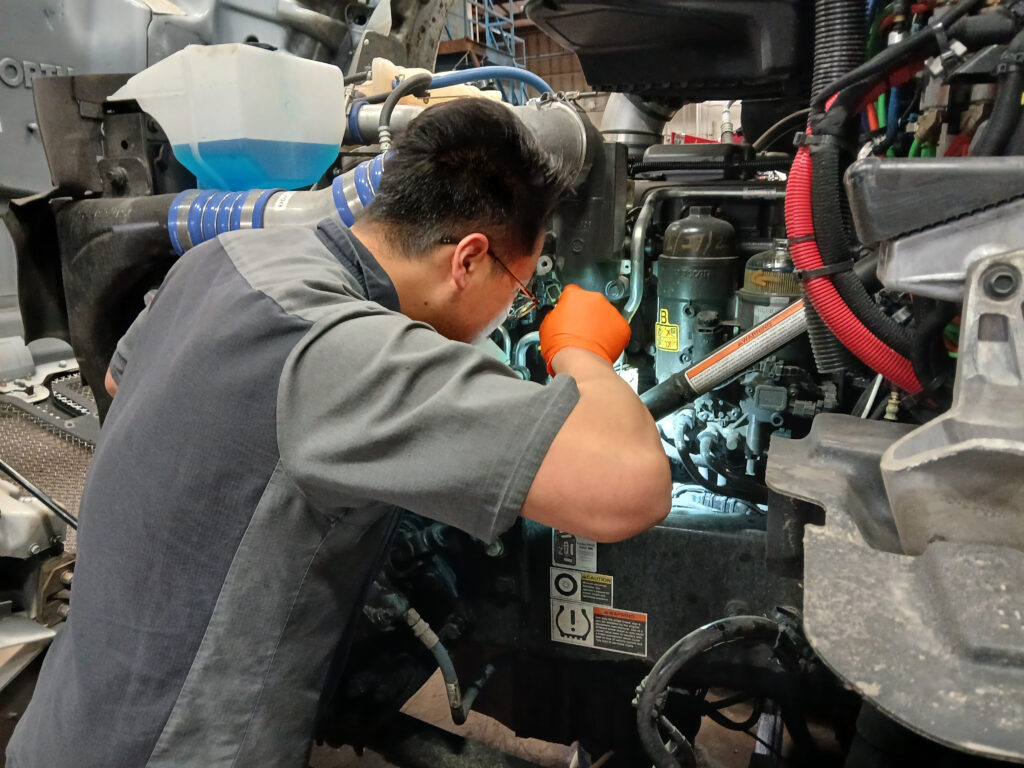
The upcoming 2027 emissions regulations are shaping up to bring major changes to the commercial trucking industry. With the EPA’s stricter NOx standards on the way, everything from engine designs to daily operations for fleets will be impacted. Naturally, many drivers are asking: what will these changes mean for our trucks?
We’re here to help answer any questions you may have about the upcoming emissions regulations and what they’ll mean for you and your truck moving forward.
Low-NOx Diesel Engines
With tighter NOx standards, OEMs and engine manufacturers are already introducing new engines designed to meet these emissions-friendly rules and reduce environmental impact without sacrificing performance, reliability, or efficiency. These commercial truck engine options include advanced natural gas (CNG/LNG) and ultra-low emission diesel technologies.
According to the EPA, “We expect the new maintenance and serviceability requirements for manufacturers would help operators keep in-use engines and emission control systems working properly to maintain their certified emission levels in the real world.” (Source)
Fleets and drivers should expect to see advanced powertrain systems that are cleaner, smarter, and more efficient than traditional diesel engines on the market. In fact, according to Cummins Inc., “Complying with these stringent standards requires a system-level approach that optimizes both the engine and aftertreatment components.” (Source)
Advanced Aftertreatment Systems
“Achieving compliance with EPA27 requires an integrated approach that optimizes both the engine and aftertreatment system. This ensures that vehicles remain efficient and reliable under real-world conditions.” (Source)
One of the most significant changes the industry will see when it comes to truck technology is the evolution of aftertreatment systems. Many 2027-compliant engines will feature a 48-volt system to power the pre-heated aftertreatment setup. This is important, especially during cold starts and low-load conditions.
“To keep temperatures at an optimal range and extend service intervals, the aftertreatment system includes a dual-stage SCR catalyst system in a one-box design. The compact design of the Dual Stage Aftertreatment offers easy access for serviceability, as well as significantly improved emissions control and fuel efficiency.” (Source)
Additionally, Selective Catalytic Reduction (SCR) systems are also being positioned closer to the engine to help improve warm-up times and overall efficiency. Many component platforms are also moving toward dual SCR catalysts with more sensors and smarter diagnostics that can monitor and adjust truck performance in real time.
Key Engine and Component Improvements
“Starting in model year 2027, engines must cut nitrogen oxide (NOx) emissions by roughly 80-90% compared to today.” (Source)
Engine design must also advance to support greener operations. Enhancements in fuel injection, combustion control, enhanced turbocharging, as well as air management systems are helping these new engines produce cleaner exhaust before it even reaches the aftertreatment system. Also, updated Exhaust Gas Recirculation (EGR) strategies help further reduce the amount of NOx formed. Together, these improvements allow engines to lower emissions and fuel consumption while still maintaining power and durability.
On top of that, modern commercial trucks will need to rely on systems like Diesel Exhaust Fluid (DEF), SCR, and Diesel Particulate Filters (DPF) with more enhanced controls to significantly cut emissions, while still keeping the vehicle operating efficiently.
“In practical terms, manufacturers must ensure emission control systems (like DEF aftertreatment, SCR catalysts, EGR, sensors) will operate effectively much longer than before. This is intended to keep trucks cleaner over more of their lifespan, preventing high-emitting older trucks from undermining air quality gains.” (Source)
New Emissions Technologies
As the industry moves toward 2027 emissions changes, the focus is on cleaner engines, smarter systems, improved components, and more adaptable powertrain options. Whether through advanced technology, fuel alternatives, or greener engine platforms, the future of trucking is a little clearer. Fleets will have more choices than ever before to meet emissions requirements while still keeping performance and uptime top of mind.
For additional information on industry emission standards, discover more EPA news and topics.
Get the Latest Trucking News, Tips & More
"*" indicates required fields