


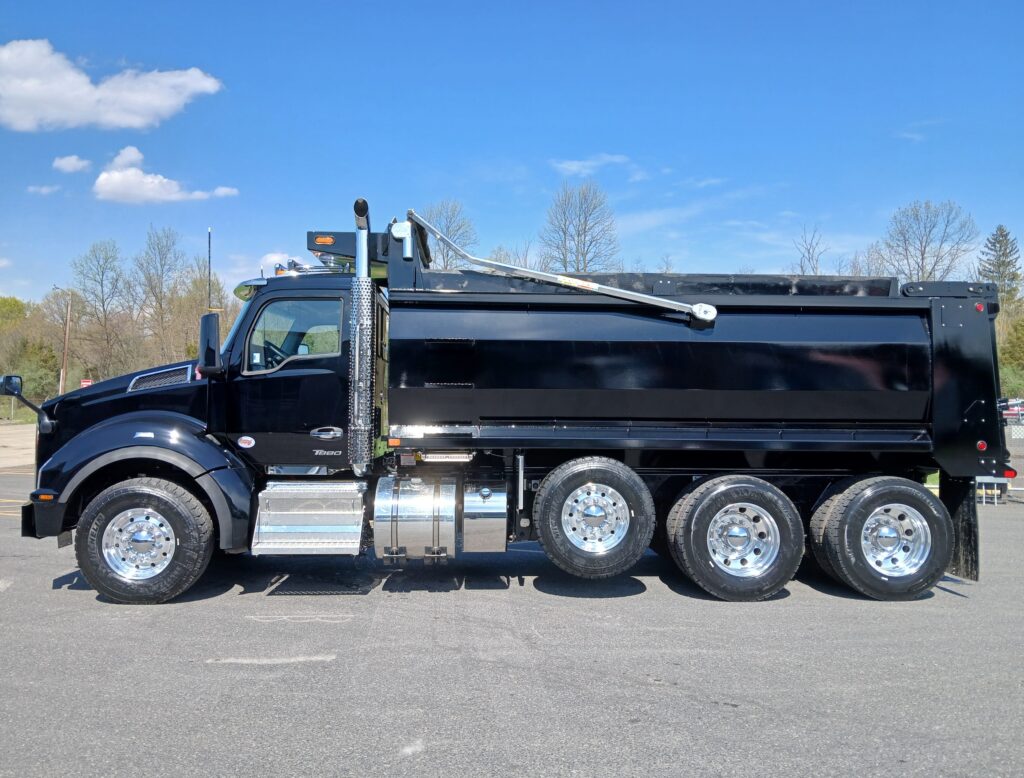
Dump trucks are built to haul heavy construction materials like gravel, sand, asphalt, dirt, and demolition debris. Among the most popular are tri-axle dump trucks. They feature an additional lift axle that allows the truck to handle heavier loads while still maintaining stability and maneuverability. Because they operate in rough terrain, extreme weather, and under heavy daily workloads, their components wear faster compared to other trucks.
The lift axle, also known as the third axle or pusher axle, introduces additional components that require attention and maintenance on top of all your other dump truck systems. Neglecting them can lead to premature tire wear, suspension damage, lower fuel economy, and DOT violations. Understanding how to properly maintain your tri-axle dump truck can help keep both your truck and business running efficiently.
4 Types of Dump Truck Maintenance
Preventative Maintenance
Preventative, routine dump truck maintenance should include inspections of:
- Engine oil and filters
- Coolant levels and cooling system components
- Transmission fluid and drivetrain
- Brake system
- Tires, wheels, and suspension
- Steering components
- Hydraulic cylinders, hoses, and pumps
- Dump body structure and mounting points
- Electrical systems and lighting
- Frame and chassis
- Air system, including the air dryer and tanks
It’s important to address any issues right away and follow the manufacturer’s recommended service schedule.
Wear Management
Wear management means catching small problems before they turn into major failures. Look for:
- Hydraulic leaks
- Cracked or damaged dump bodies
- Loose suspension components
- Uneven tire wear
- Brake issues
- Frame cracks or corrosion
- Unusual noises or vibrations
Remember: Always fix the root cause, not just the symptom. Replacing a part without addressing the underlying issue often leads to repeat failures.
Breakdown Maintenance
Breakdown maintenance involves repairing components that have already failed, often due to age, mileage, or heavy workloads. Even well-maintained trucks eventually experience breakdowns. A proper diagnosis should always come before repairing or replacing a part so you can find the most cost-effective fix and avoid future issues.
Operational Maintenance
Daily operation plays a major role in your truck’s safety, reliability, and longevity. Some important operational maintenance includes staying within legal weight limits, addressing warning signs early, and following proper dump body safety procedures. These habits help reduce unnecessary wear, prevent costly repairs, and keep your truck working its best. If you’re experiencing any dump truck issues, contact our service centers for help.
5 Important Third Axle Maintenance Habits
Inspect the Lift Axle System Daily
The third axle has more moving parts than a standard tandem axle, which should make it a high-priority maintenance system on your dump truck. During pre- and post-trip inspections, check the following components for leaks, cracks, excessive wear, or other damage:
- Air bags
- Lift cylinders
- Pivot bushings
- Lift arms
- Air lines and fittings
- Height control valve
- Shock absorbers (if equipped)
If your lift axle fails, it can cause uneven weight distribution, excessive tire wear, or suspension damage that leaves you with costly repairs.
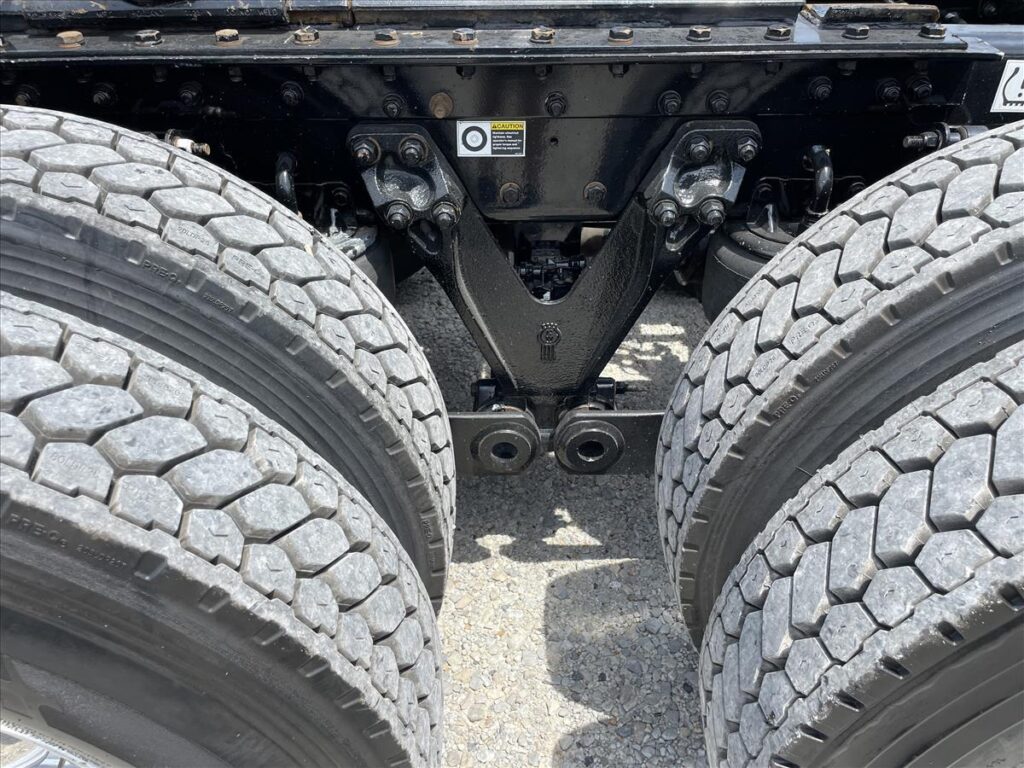
Regularly Grease All Lift Axle Pivot Points
Lift axle pivots experience constant movement as you raise and lower the axle. It’s important to regularly grease the pivot pins, lift arm bushings, suspension pivot points, and steering components (if equipped). Many fleets grease these components at every PM service, or every 3,000-5,000 miles. Skipping this step can lead to loose suspension parts and premature bushing failure.
Check the Pusher Axle Tires for Uneven Wear
Lift axle tires often wear differently than road tires because they spend much of their time off the ground and carry constantly changing loads. Look for:
- One-sided wear
- Flat spotting
- Cupping
- Feathering
- Rapid shoulder wear
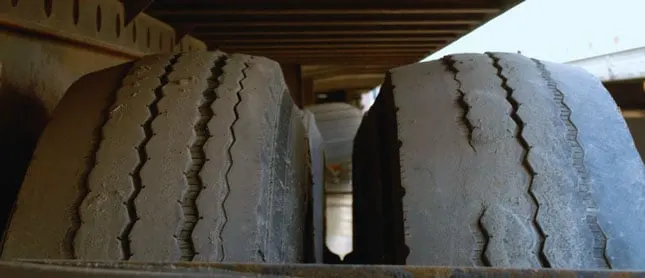
Uneven lift axle tire wear can suggest incorrect alignment, worn suspension parts, or fluctuating tire pressure. While inspecting your tires, also check the brake components and be sure to remove any visible dirt or mud buildup.
Test That the Lift Axle Raises and Lowers Properly
Make sure the lift axle:
- Raises completely when unloaded
- Lowers smoothly under cargo loads
- Responds correctly to the dash controls
- Has functioning warning lights
- Operates without unusual noises or hesitation
A lift axle that doesn’t fully raise can increase its tire wear and reduce fuel economy, while one that doesn’t release correctly can overload the drive axles. Both issues increase the risk of overweight citations or worse, suspension damage.
Additionally, avoid operating with the lift axle lowered when it’s not needed. Keeping a lift axle lowered unnecessarily accelerates tire and suspension wear and reduces fuel economy.
Keep the Lift Axle Properly Aligned and Loaded
Many lift axles use adjustable pressure regulators to guarantee proper load distribution. An improperly adjusted lift axle can increase fuel consumption, quickly wear tires, and put stress on the suspension. Proper load distribution helps to protect the drive axles, improves braking performance, extends tire life, and helps maintain legal axle weights.
How to Extend the Life of Your Tri-Axle Dump Truck
A tri-axle dump truck is a major investment. While routine maintenance is always essential for the entire truck, consistently maintaining the lift axle system can significantly improve tire life, suspension performance, legal weight distribution, fuel efficiency, and overall operating costs.
A tri-axle dump truck is a major investment. While routine maintenance is always essential for the entire truck, consistently maintaining the lift axle system can significantly improve tire life, suspension performance, legal weight distribution, fuel efficiency, and overall operating costs.
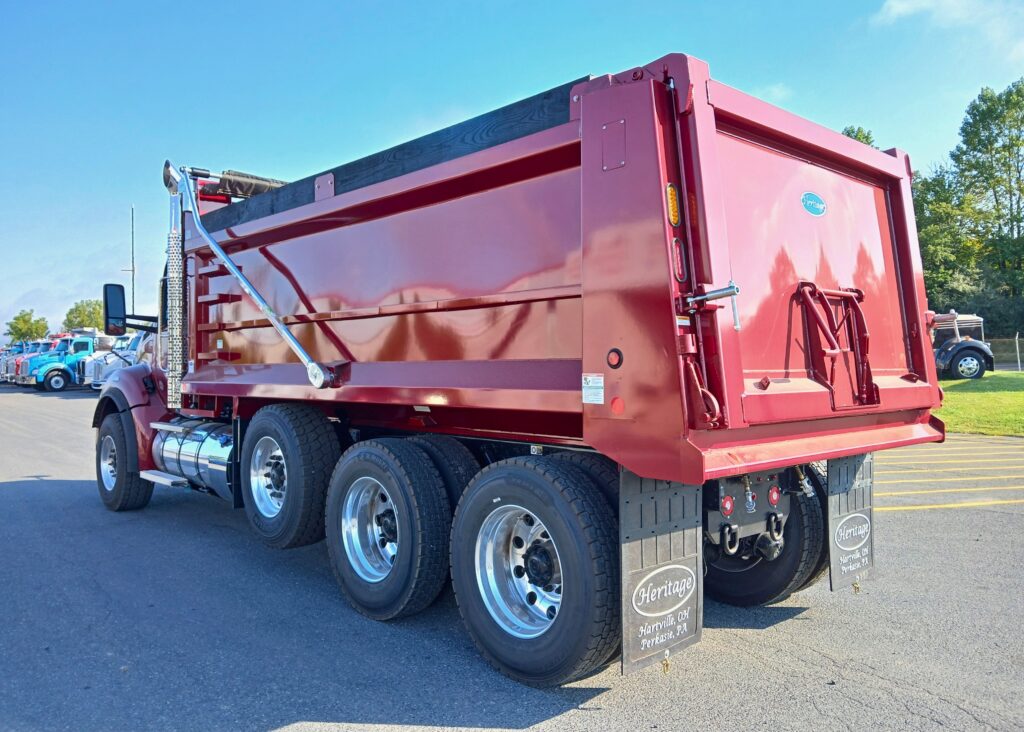
Looking for tri-axle dump trucks for sale? Contact our Sales Team to discuss specs, pricing, trade-ins, and financing.
Get the Latest Trucking News, Tips & More
"*" indicates required fields