


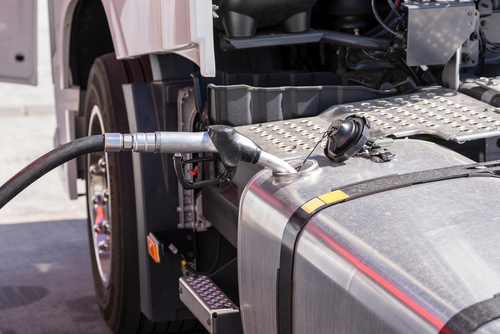
Diesel fuel has been — and always will be — one of the largest on-going expenses for any truck driver and fleet. While fuel prices may fluctuate, the smartest operations reduce their fuel costs through integrated cab technologies and preventative maintenance. Even small improvements in fuel efficiency can create major long-term savings over your day-to-day.
Whether you run one truck or an entire fleet, decreasing diesel fuel consumption helps lower your overall operational costs, improve uptime on the road, and maximize profitability. When it comes to long-term savings, trust these top five ways you can cut down on fuel costs.
HOW TO SAVE ON DIESEL FUEL
1. Use Truck Telematics to Reduce Diesel Fuel Waste
One of the most effective ways to lower fuel costs is by understanding exactly how you’re wasting it. Real-time truck telematics systems monitor:
- Fuel consumption
- Idle time
- Acceleration
- Speeding
- Route tracking
- Fuel economy trends
- Driving behaviors
- Engine diagnostics
By tracking this data, you can quickly identify any behaviors and/or issues that waste fuel. Many industry experts consistently point out that operational inefficiencies, rather than the truck itself, are responsible for a significant portion of fuel consumption. With truck telematics, all of these losses turn into fuel-efficient benefits that actually save you capital.
2. Reducing Idle Time Can Save You Thousands
Idling burns a surprisingly large amount of diesel fuel annually. Running the engine during breaks, loading, and overnight stops can increase both fuel expenses and component wear. One of the most effective solutions in idle reduction technology is a bunk heater. These heaters provide a comfortable interior temperature and run independently, powered by the truck’s electrical system using minimal fuel.
The benefits of idle reduction include:
- Lower diesel fuel consumption
- Reduced engine wear
- Lower maintenance costs
- Longer engine life
- Reduced emissions
While this may seem like a more expensive option, investing in idle-reducing technologies can generate substantial savings in long-term costs across your entire operations.
3. Proper Tire Pressure Equals Better Fuel Economy
Tires have more of a direct impact on fuel economy than many fleet owners realize. Under-inflated tires create rolling resistance, which forces the engine to work harder and burn more diesel fuel. Proper tire inflation not only improves your truck’s efficiency, but also:
- Extends tire lifespan
- Improves handling and stability
- Enhances overall safety
To help with those inefficiencies, Kenworth offers a tire pressure monitoring system that continuously measures tire pressure and temperature in real time. Drivers receive alerts whenever pressure falls below the recommended levels, helping to maintain solid fuel efficiency. In addition to monitoring pressure, fleets should regularly inspect:
- Tire wear patterns
- Wheel alignment
- Suspension components
- Tire balancing
Combined with visual inspections and alignment checks, tire pressure no longer needs to deflate your fuel tank or your wallet.
4. Truck Aerodynamics Improve Fuel Economy and Efficiency
Aerodynamics remain one of the most effective ways to boost fuel economy, especially for highway trucks traveling long distances at higher speeds. The more aerodynamic a truck is, the more drag is reduced and airflow can move efficiently around the cab and trailer. The Kenworth T680 was specifically made to improve aerodynamics through features such as:
- Redesigned hood and bumper
- Chassis fairings
- Wheel covers
- Side extenders
- Digital mirror technology
- Better airflow management
However, fleets do not necessarily need to purchase brand-new trucks to improve aerodynamics. Many fuel-saving upgrades can be added to existing trucks and trailers, including:
- Trailer skirts
- Gap reducers
- Wheel covers
- Roof fairings
- Side fairings
5. Stay Ahead with Preventative Maintenance
Preventative maintenance is crucial to maximizing diesel fuel efficiency. Poorly maintained trucks typically burn more fuel due to engine strain, airflow restrictions, and worn components. To help you operate at peak efficiency, simple routine maintenance should include:
- Regular oil changes
- Air filter replacements
- Tire pressure inspections
- DPF and aftertreatment servicing
- Alignment checks
- Cooling system inspections
- Fuel system maintenance
Many fleets focus heavily on truck specifications when trying to improve fuel economy, but regular maintenance often delivers some of the most cost-effective fuel savings available. Fleets that stay ahead with regular service schedules typically experience better long-term fuel efficiency, reliability, and uptime.
How Fleets Can Reduce Diesel Fuel Expenses Over the Long Haul
Saving money on diesel fuel is not about one singular upgrade, but about combining smart practices in preventative maintenance, driver efficiency, and fuel-saving technologies. For commercial truck drivers and fleets, these methods can lower fuel costs, improve uptime, and increase long-term profitability without immediately replacing your equipment. If you’re looking to maximize diesel fuel savings, investing in these five fuel-efficient strategies can — and will — continue to improve your long-term value on the road.
Get the Latest Trucking News, Tips & More
"*" indicates required fields