

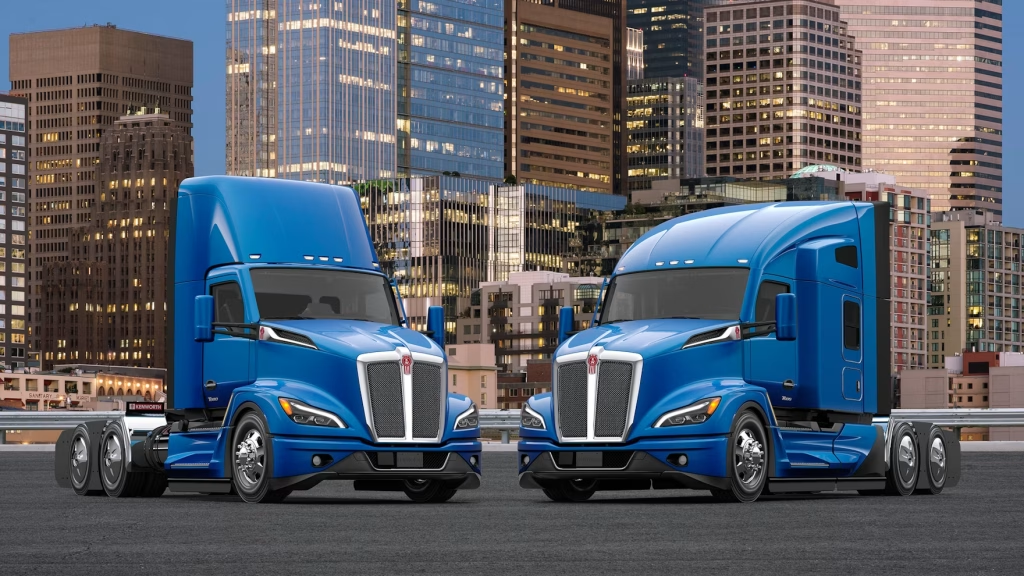
The Kenworth T680 has been one of the most recognizable highway trucks in the company’s lineup since its debut in 2012. An early fan favorite, the T680 was embraced for its modern aerodynamics, improved fuel economy, elevated driver comfort, and sleek styling.
Nearly a decade later, in 2021, Kenworth introduced the T680 Next Gen. Both trucks share the same name, and the Next Gen model isn’t a completely different truck — but it was a major evolution of the original T680 platform.
Whether you’re choosing between a used T680 or a new Kenworth T680 Next Gen, we’re breaking down what really matters: what’s changed, how those updates affect performance, and which option best fits your operation.
Kenworth T680 vs. T680 Next Gen
There is a simple way to understand these two models. Both are capable highway trucks, but each is built with slightly different priorities in mind.
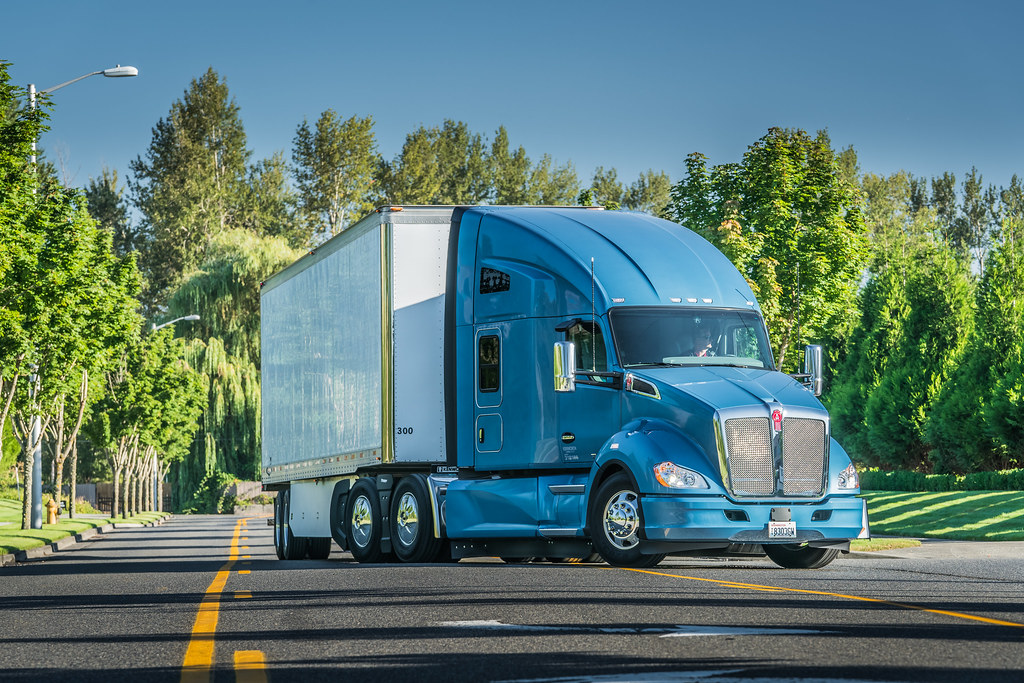
T680 Classic
When the original T680 launched, its design was a significant modernization to Kenworth’s vehicle lineup, compared to their more traditional long-hood models like the W900. Its styling blended upgraded components with that classic, premium look drivers have come to expect from the brand’s iconic history.
T680 Next Gen
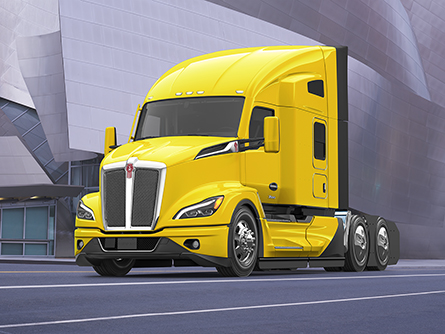
Kenworth unveiled the T680 Next Gen as a strategically redesigned evolution of the original platform. According to Kenworth, the truck was engineered to become the most aerodynamic and fuel-efficient highway truck the company has ever produced.
Kenworth Aerodynamics
Aerodynamics is one of the biggest differences between the T680 generations. For example, the original already improved its overall efficiency compared to more traditional truck designs. The Next Gen model builds on that foundation with an even more refined focused on airflow optimization and drag reduction. What this means is:
- If you run high mileage routes, even small efficiency gains can really add up over time
- If your routes are regional or involve a lot of stop-and-go, you may not notice as much of a difference in real-world savings
- If your operation is highly focused on cost per mile, the Next Gen’s refinements are more likely to justify an upgrade
The Kenworth T680’s upgrades matter most when your truck spends long hours at steady highway speeds. For all fleets, small aerodynamic improvements can — and will — translate into consistent long-haul performance.
T680 Fuel Efficiency
Both generations were designed to improve fuel efficiency, but each achieve those results in different ways.
The T680 Classic delivered strong efficiency gains over older Kenworth models when it first launched. This was due to its highly aerodynamic, 2.1-meter-wide cab designed to significantly cut drag compared to older models like the T660.
The new Kenworth T680 fully optimizes its aerodynamic features and powertrain integration to deliver up to a 6% improvement in fuel economy than the classic specs. It’s a much better choice if your priority is lowering your long-term fuel costs, especially if you run high-mileage operations.
Ultimately, the real decision isn’t about which model is more efficient. It’s about whether you want to prioritize lower upfront costs or greater fuel savings over time.
Kenworth T680 Cab
One of the most noticeable differences between the older and newer models is inside the cab.
Older T680 models provide a more traditional analog-style gauge layout. Everything is more familiar and straightforward, especially for drivers who prefer a less technologically-savvy setup. Analog cabs are typically:
- Easier for new or mixed-experience drivers to adapt to
- Less reliant on digital systems and displays
- Preferred by drivers who value a simpler operating experience
The Next Gen model is a more digital and connected cab experience that feeds information directly to the driver through integrated displays and controls. The T680 Next Gen cab is better suited for:
- Fleets that want more modern driver technology and dashboards
- Operations that benefit from more access to performance data and vehicle health
- Drivers who prefer less hands-on interaction with the system and controls
Whether you prefer a familiar, traditional setup or a more modern, data-driven cab, it really comes down to what helps make your day-to-day operations more comfortable, efficient, and easy to work in.
Which T680 Should You Choose?
The Kenworth T680 Classic is best for fleets or owner-operators who prioritize simplicity and a lower up-front used truck price tag. Choose this model if you want:
- A lower upfront cost option compared to newer configurations
- A well-established platform with years of real-world performance data
- A traditional driving experience with familiar controls
- Strong highway fuel efficiency without needing the latest technology
- Reliability for regional or long-haul applications
The Kenworth T680 Next Gen is best for drivers looking to help reduce their operating costs and lead a more tech-forward fleet. You’ll prefer this model if you want:
- A more advanced aerodynamic design focused on fuel savings
- A modern digital driver interface with customizable information display
- Updated driver-assist and safety technology integration
- Improved long-term operating efficiency through system optimization
- A truck designed for evolving fleet technology standards
Top Choice for Drivers: Kenworth T680 Next Gen
The new Kenworth T680 is not a replacement for the original. It’s an evolution of it.
The classic T680 helped redefine modern highway trucking when it debuted in 2012. The new Kenworth T680 expands on that foundation with major improvements in aerodynamics, fuel economy, driver safety, and in-cab technology.
While both remain highly capable long-haul platforms, the T680 Next Gen represents Kenworth’s most advanced highway efficiency and driver-focused Class 8 truck to date.
Get the Latest Trucking News, Tips & More
"*" indicates required fields