


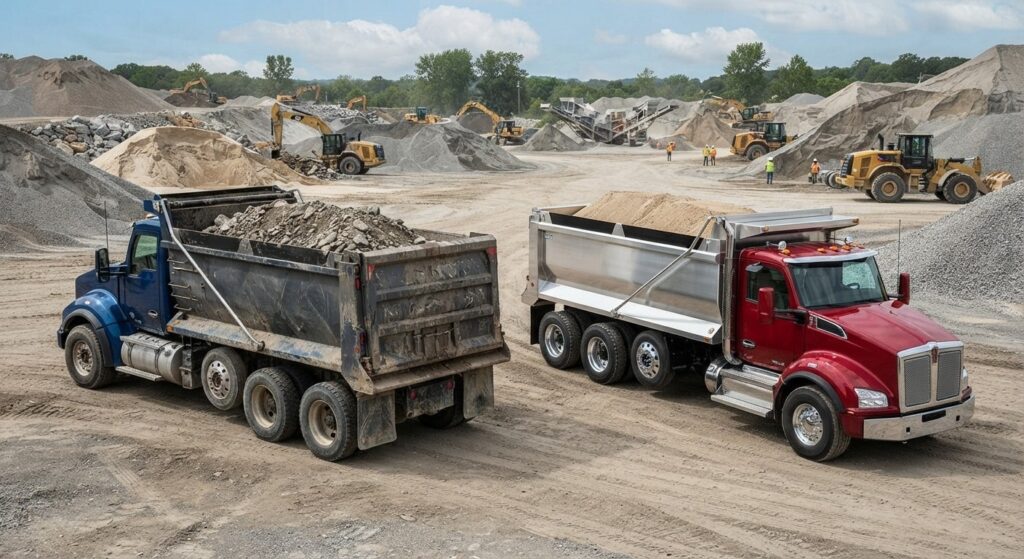
When it comes to your business, choosing between an aluminum and steel dump body can affect your truck’s payload capacity, durability, maintenance needs, and long-term operating costs. Our guide compares aluminum vs. steel dump truck bodies, including the pros and cons of each material and which option may be better for your hauling application.
What is the difference between a steel dump body and an aluminum dump body?
The main difference between a steel and aluminum dump body is that steel dump bodies are highly durable with lower upfront costs, while aluminum bodies are lighter and allow you to haul more while staying within legal weight limits.
Is an aluminum dump body better than a steel dump body?
The overall choice of whether a steel or aluminum dump body is better for your business depends on your daily working conditions and cargo being hauled. Aluminum has a lighter weight for higher payload capacity for gravel, dirt, and landscape work. Steel provides superior strength for hauling heavy, abrasive materials such as concrete, large rock, and demolition debris, helping the body to withstand dents, cracks, and punctures from material impacts.
Aluminum vs. Steel Dump Body Pros and Cons
Pros of Steel vs. Aluminum Dump Bodies
| Aluminum | Steel |
|---|---|
| Lighter weight: Typically 400-800 lbs. lighter than a steel body. | Lower upfront cost: Generally less expensive, which makes it a budget-friendly option. |
| Corrosion resistant: Naturally resists rust and corrosion. Ideal for wet materials and road salt. | High durability: Handles heavy impacts and abrasive materials like concrete, asphalt, and other demolition scrap. |
| Higher payload potential: The lighter body weight allows you to carry more material while staying within legal weight limits. | Easy repairs: Can typically be patched or welded at most body shops. |
Cons of Aluminum vs. Steel Dump Bodies
| Steel | Aluminum |
|---|---|
| Heavier tare weight: Reduces the truck’s available payload capacity. | Higher initial cost: Typically costs about 15-30% more than a steel body. |
| Rust and corrosion: Increased susceptibility to rust when bare metal is exposed to moisture and salt. | Lower impact resistance: More prone to dents, creases, or cracks from heavy, rough debris. |
| Higher maintenance: Requires regular cleaning, inspections, and paint touch-ups to control rust corrosion. | More specialized repairs: Requires aluminum welding equipment and expertise for patches or repairs. |
Which dump body material is better for your application?
The right dump body material depends on how you use your truck and what you haul.
Steel is generally the better choice for severe-duty applications like construction, demolition, and heavy aggregate hauling, where the body may endure abrasive materials, frequent impacts, or rough jobsites.
Aluminum works well for weight-sensitive applications like landscaping, snow removal, and certain municipal or contractor work. Its lighter weight, increased payload capacity, and corrosion resistance can give you better advantages.
For applications that fall somewhere in between, consider the material you haul, jobsite conditions, loading frequency, road mileage, exposure to salt or moisture, and how much payload you need to maximize for your operation.
| Application | Material Fit |
|---|---|
| Heavy demolition debris | Steel |
| Large rock / aggregate | Steel |
| Concrete / asphalt | Steel |
| Landscaping materials | Aluminum |
| Snow & ice | Aluminum |
| Salt/brine exposure | Aluminum |
| Mixed vocational work | Depends |
How to Choose Between a Steel and Aluminum Dump Truck Body
Choose steel when:
- Durability is the top priority
- The truck endures severe-duty work
- Loads are highly abrasive
- Large/heavy material is frequently loaded
- Impact resistance matters most
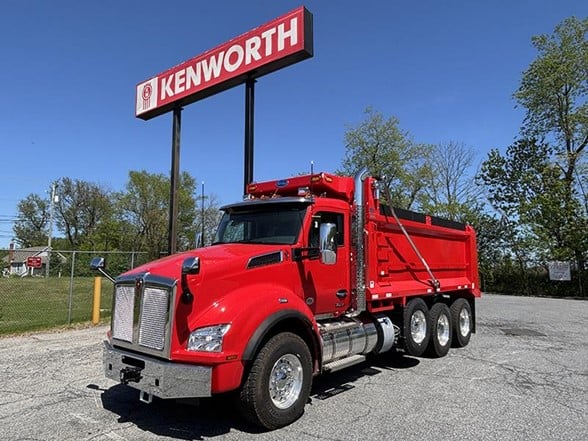
Choose aluminum when:
- Weight savings are important
- Payload efficiency matters
- Corrosion resistance is important
- The truck operates around salt/brine
- The application is less demanding
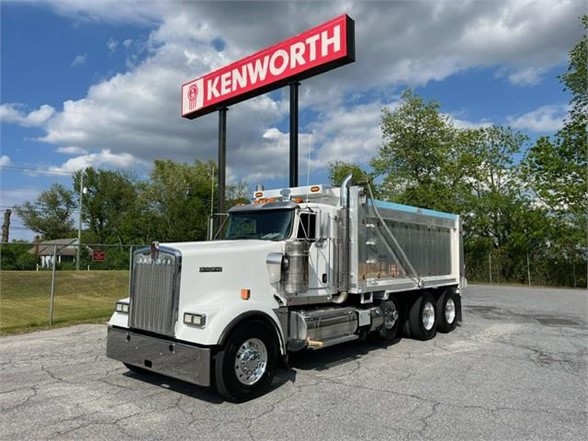
Consider both when:
- The truck performs multiple vocational jobs
- Payload and durability are equally important
- You need to balance upfront cost with lifecycle operating costs
The right dump body depends on what you haul, how you load the truck, the conditions you operate in, and whether you prioritize durability or payload capacity. Steel is always a strong choice for demanding construction and heavy-haul jobs, while aluminum provides valuable weight savings and corrosion resistance for many vocational applications.
Still deciding which configuration fits your operation? Explore our dump truck resources and buying guides, or shop our current inventory of new dump trucks and used dump trucks for sale.
Get the Latest Trucking News, Tips & More
"*" indicates required fields